Sunlight Analysis
Understanding daily sun patterns is essential for selecting appropriate plant varieties and container placement.
Interactive Sun Tracker
Adjust the slider to see how sunlight patterns change throughout the day and discover which plants thrive in different light conditions.
Wind Pattern Assessment
Air flow analysis helps identify exposure levels and select wind-tolerant plant varieties.
Low Exposure Zones
Protected areas with minimal wind exposure. Ideal for delicate herbs and plants with tender foliage. Typically found in corners or behind barriers.
Moderate Exposure Areas
Zones with occasional air movement. Suitable for most common herbs and flowering plants. Good air circulation helps prevent fungal issues.
High Exposure Locations
Open areas with consistent wind. Require sturdier plants and may need windbreaks. Metal containers provide better stability in these conditions.
Shadow Mapping
Identifying shadow patterns throughout the day ensures plants receive appropriate light levels.
Morning Shadows
Areas shaded during morning hours receive afternoon sun. Suitable for plants that prefer afternoon light exposure and can tolerate morning shade.
Afternoon Shadows
Locations with afternoon shade receive morning sun. Ideal for plants that benefit from morning light and protection from intense afternoon heat.
Full Shade Zones
Areas with minimal direct sunlight require shade-tolerant plant selections. Ferns, hostas, and certain herbs thrive in these conditions.
Full Sun Areas
Locations receiving 6+ hours of direct sunlight daily. Perfect for sun-loving herbs, vegetables, and flowering plants that require maximum light.
Reflection Analysis
Surface reflections from walls, windows, and other structures can create micro-climates with enhanced light intensity.
Wall Reflection Zones
Light-colored walls reflect additional sunlight, creating brighter conditions than direct sun measurements suggest. Plants in these zones may need more frequent watering.
Window Reflection Areas
Glass surfaces can create concentrated light spots. Monitor these areas for potential heat buildup and adjust plant selection accordingly.
Surface Material Impact
Different surface materials reflect light differently. Concrete and metal surfaces create more intense reflection than wood or composite materials.
Plant Selection by Zone
Match plant varieties to specific micro-climate conditions identified in your space analysis.
Low Light Zones
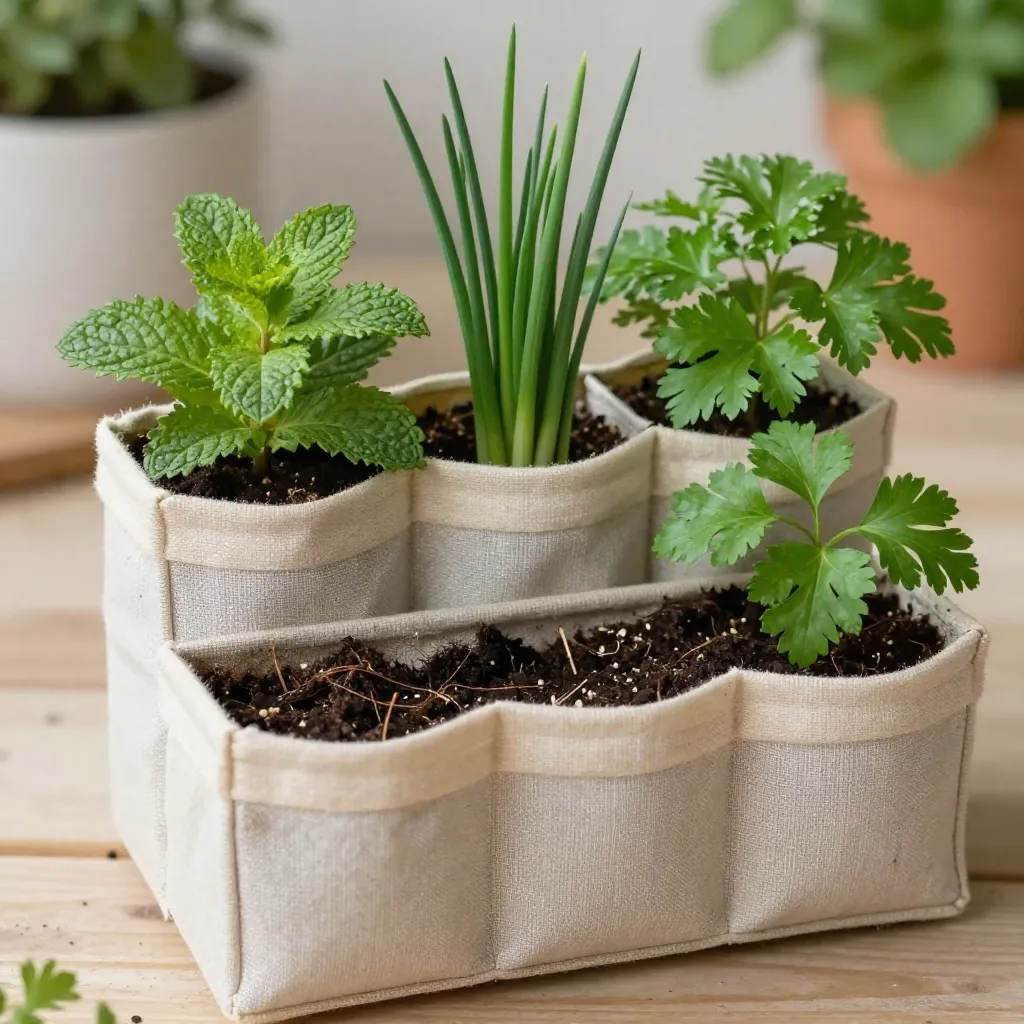
Ferns, mint varieties, parsley, and certain leafy greens perform well in areas with 2-4 hours of filtered sunlight daily.
Partial Sun Areas
Basil, cilantro, chives, and many flowering herbs thrive with 4-6 hours of direct or filtered sunlight.
Full Sun Locations
Rosemary, thyme, oregano, tomatoes, and peppers require 6+ hours of direct sunlight for optimal growth and production.
Wind-Protected Zones
Delicate herbs like dill, cilantro, and tender leafy greens benefit from protection in low-exposure areas.